
Cathrine Hoyo
CH
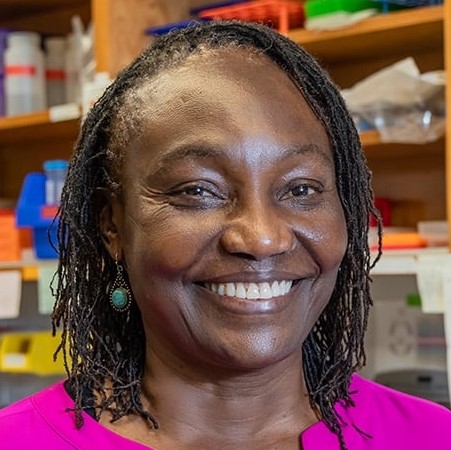
Bio
The overarching goal of Dr. Hoyo’s research is to determine the role of environmentally-induced alterations in the epigenome in the genesis of common chronic diseases, especially those that disproportionately affect minority populations, including cancer and obesity, and to use this information to improve the prediction, therapy, and prevention of diseases.
Research Impact Dashboard
Publications
- Early life factors, blood pressure percentile trajectories, and elevated blood pressure in children , Pediatric Research (2026)
- Effect of Periconceptional Diet on Child Cognitive Outcomes Based on the NEwborn Epigenetic STudy (NEST) Data , Current Developments in Nutrition (2026)
- Environmental circadian disruption alters rhythmicity of clock and epigenetic gene expression in SKH-1 female mouse livers , Chronobiology International (2026)
- Environmental exposures and epigenetic alterations in common chronic diseases: insights and challenges , Current Zoology (2026)
- Maternal Mediterranean Diet during Pregnancy and Adiposity from Early Childhood through Preadolescence , Childhood Obesity (2026)
- Maternal Non-Nutritive Sweetener Consumption During Pregnancy and Its Association With Child Weight , Current Developments in Nutrition (2026)
- Placental toxic metal concentrations and preterm birth: Modification by social stressors , Reproductive Toxicology (2026)
- Prenatal Smoking Exposures and Epigenome-wide Methylation in Newborn Blood , University of Groningen research database (University of Groningen / Centre for Information Technology) (2026)
- Abstract 4903: Short chain per- and polyfluoroalkyl substances associate with elevated alanine aminotransferase: cross-sectional analysis results from the STRIVE cohort , Cancer Research (2025)
- Age-specific DNA methylation alterations in sperm at imprint control regions may contribute to the risk of autism spectrum disorder in offspring , Aging (2025)